
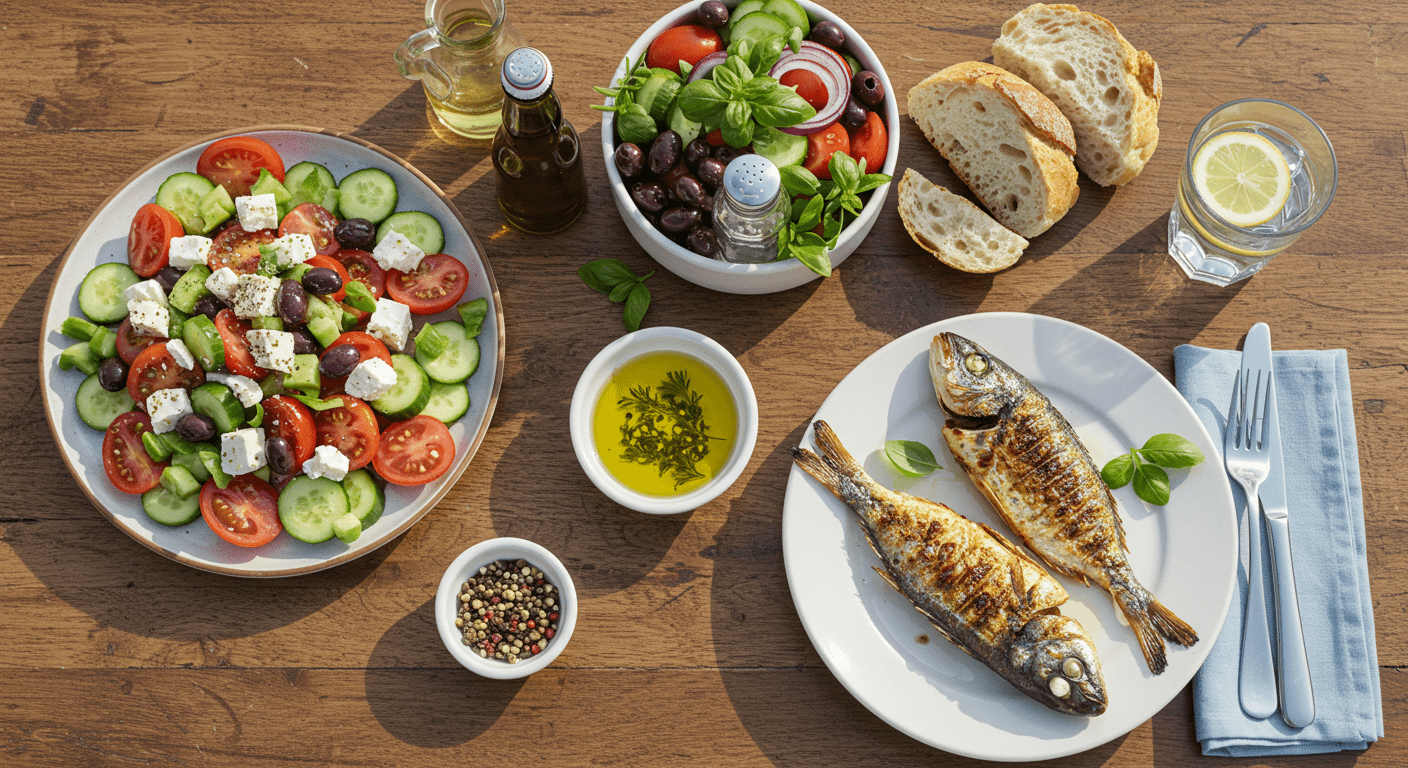
Have you ever wondered why people in Mediterranean countries seem to effortlessly maintain healthy weights while enjoying delicious food? The secret lies in understanding the incredible benefits of the Mediterranean diet for weight loss. This isn’t just another fad diet that leaves you counting calories and feeling deprived – it’s a sustainable lifestyle that has helped millions of people achieve their weight loss goals while actually enjoying their meals.
The Mediterranean diet isn’t really a “diet” in the traditional sense. Think of it more as a delicious roadmap to better health that happens to come with some pretty amazing weight loss benefits. Based on the eating patterns of countries like Greece, Italy, and Spain, this approach to nutrition has been scientifically proven to help people lose weight, reduce inflammation, and live longer, healthier lives.
What Makes the Mediterranean Diet Special for Weight Loss?
The Science Behind Mediterranean Diet Weight Loss
Research consistently shows that the benefits of the Mediterranean diet for weight loss extend far beyond simple calorie restriction. A landmark study published in the New England Journal of Medicine found that people following a Mediterranean diet lost more weight and kept it off longer than those on traditional low-fat diets.
The magic happens because this eating pattern naturally regulates your metabolism. Unlike restrictive diets that slow down your metabolic rate, the Mediterranean approach keeps your body burning calories efficiently. The combination of healthy fats, lean proteins, and complex carbohydrates creates a metabolic environment that favors fat burning over fat storage.
Why Your Body Loves Mediterranean Foods
Your body responds differently to Mediterranean foods compared to processed alternatives. When you eat refined sugars and processed foods, your blood sugar spikes and crashes, leading to cravings and overeating. Mediterranean foods, on the other hand, provide steady energy that keeps you satisfied for hours.
The high fiber content in Mediterranean staples like vegetables, fruits, and whole grains helps you feel full with fewer calories. Meanwhile, the healthy fats from olive oil, nuts, and fish trigger hormones that signal fullness to your brain. It’s like having a built-in appetite control system that actually works.
Core Components of the Mediterranean Diet That Promote Weight Loss
Olive Oil: The Golden Key to Healthy Weight Management
Extra virgin olive oil is the cornerstone of Mediterranean eating, and for good reason. Despite being high in calories, studies show that people who consume olive oil regularly tend to have lower body weights. The monounsaturated fats in olive oil help reduce belly fat and improve insulin sensitivity.
Use olive oil as your primary cooking fat, drizzle it over salads, and even dip your whole grain bread in it. The key is moderation – aim for 2-3 tablespoons per day. Your taste buds will thank you, and so will your waistline.
Fish and Seafood: Protein Powerhouses
Mediterranean countries consume fish 2-3 times per week, and this habit contributes significantly to weight loss success. Fish provides high-quality protein that requires more energy to digest than carbohydrates or fats, boosting your metabolism naturally.
Fatty fish like salmon, sardines, and mackerel are particularly beneficial. They’re rich in omega-3 fatty acids that reduce inflammation and may help your body burn fat more efficiently. Plus, protein keeps you feeling satisfied longer than other macronutrients.
Vegetables and Fruits: Nature’s Weight Loss Allies
The Mediterranean diet emphasizes eating vegetables and fruits at every meal. These foods are naturally low in calories but high in volume, helping you feel full without overeating. They’re also packed with fiber, which slows digestion and helps stabilize blood sugar levels.
Aim for at least 5-7 servings of vegetables and fruits daily. Mix colors to ensure you’re getting a variety of nutrients. Red tomatoes, green leafy vegetables, purple eggplants, and orange citrus fruits should all have a place on your plate.
Practical Mediterranean Diet Meal Planning for Weight Loss
Building Your Perfect Mediterranean Breakfast
Start your day with foods that will keep you energized and satisfied. A typical Mediterranean breakfast might include:
- Greek yogurt topped with berries and a drizzle of honey
- Whole grain toast with mashed avocado and tomatoes
- A handful of nuts or seeds
- Fresh fruit like oranges or figs
This combination provides protein, healthy fats, and complex carbohydrates that work together to prevent mid-morning cravings. The protein from yogurt helps maintain muscle mass while you lose weight, and the fiber keeps your digestive system happy.
Lunch Ideas That Fuel Weight Loss
Mediterranean lunches are typically the largest meal of the day, but they don’t need to be heavy or calorie-dense. Focus on:
Salad-Based Meals:
- Greek salad with feta cheese, olives, and olive oil dressing
- Tabbouleh with plenty of fresh herbs
- Mixed greens with grilled fish or chicken
Soup Options:
- Lentil soup with vegetables
- Minestrone with beans and pasta
- Fish soup with tomatoes and herbs
These meals provide sustained energy without the afternoon crash that comes from heavy, processed foods. The combination of vegetables, lean proteins, and healthy fats keeps your metabolism running smoothly.
Dinner: Light but Satisfying Mediterranean Options
Evening meals in the Mediterranean tradition are typically lighter than lunch. This timing supports weight loss because your metabolism naturally slows down in the evening. Consider these options:
- Grilled fish with roasted vegetables
- Small portion of pasta with tomato sauce and vegetables
- Vegetable-based stews with beans
- Simple salads with cheese and nuts
The goal is to end your day feeling satisfied but not overly full. This approach supports better sleep, which is crucial for weight management.
Mediterranean Diet Weight Loss Success Stories and Tips
Understanding Portion Sizes the Mediterranean Way
One of the key benefits of the Mediterranean diet for weight loss is that it teaches natural portion control without strict measuring. Mediterranean cultures have developed intuitive eating habits that you can adopt:
The Plate Method:
- Fill half your plate with vegetables
- Use one quarter for lean protein
- Reserve one quarter for whole grains or starchy vegetables
- Add a serving of healthy fats like olive oil or nuts
This visual approach makes meal planning simple and sustainable. You don’t need to weigh every morsel or count every calorie – your plate becomes your guide.
Mindful Eating Practices
Mediterranean cultures emphasize the social aspect of eating, which naturally promotes mindful consumption. Eating slowly and paying attention to your food helps you recognize fullness cues and prevents overeating.
Try these practices:
- Eat without distractions like TV or phones
- Chew each bite thoroughly
- Put your fork down between bites
- Engage in conversation during meals
These simple changes can significantly impact your weight loss success without requiring any special foods or supplements.
Common Mistakes to Avoid When Following the Mediterranean Diet
Overdoing “Healthy” Foods
Even healthy foods contain calories, and it’s possible to overeat on the Mediterranean diet. Common mistakes include:
Too Much Olive Oil: While olive oil is healthy, it’s still calorie-dense. Measure your portions instead of pouring freely.
Nuts and Seeds Overload: A handful of nuts is beneficial, but a whole bag can sabotage your weight loss efforts. Stick to 1-2 ounces per day.
Bread Without Boundaries: Mediterranean bread is typically whole grain and eaten in moderation. Don’t use this diet as an excuse to eat unlimited amounts of bread, even if it’s high quality.
Ignoring the Lifestyle Components
The Mediterranean diet isn’t just about food – it’s a complete lifestyle approach that includes:
- Regular physical activity
- Adequate sleep
- Stress management
- Social connections
These factors work synergistically with the diet to promote weight loss and overall health. You can’t expect optimal results by focusing solely on the food component.
Processed “Mediterranean” Foods
Food manufacturers have jumped on the Mediterranean bandwagon, creating processed products that claim to be “Mediterranean-style.” These foods often lack the nutritional benefits of traditional Mediterranean foods and may contain added sugars, unhealthy fats, and preservatives.
Stick to whole, minimally processed foods as much as possible. If it comes in a package with a long ingredient list, it’s probably not truly Mediterranean.

Sample 7-Day Mediterranean Diet Weight Loss Plan
Day 1-3: Getting Started
First day:
- Breakfast: Greek yogurt with berries and almonds
- Lunch: Mediterranean chickpea salad with olive oil dressing
- Dinner: Baked salmon with roasted vegetables
- Snack: Apple with a small piece of cheese
Second day:
- Breakfast: Whole grain toast with avocado and tomato
- Lunch: Lentil soup with a side salad
- Dinner: Grilled chicken with quinoa and steamed broccoli
- Snack: Handful of mixed nuts
Third day:
- Breakfast: Oatmeal topped with fresh fruit and honey
- Lunch: Tuna salad with white beans and vegetables
- Dinner: Vegetable pasta with olive oil and herbs
- Snack: Fresh fruit and yogurt
Day 4-7: Building Momentum
Continue this pattern, focusing on variety and seasonal ingredients. The key is consistency while keeping meals interesting and flavorful.
Exercise and the Mediterranean Lifestyle
Traditional Mediterranean Physical Activity
Mediterranean cultures incorporate movement naturally into daily life. This isn’t about hitting the gym for intense workouts – it’s about consistent, moderate activity throughout the day.
Daily Activities Include:
- Walking for transportation and pleasure
- Swimming in coastal areas
- Dancing at social gatherings
- Garden work and outdoor activities
This approach to fitness complements the benefits of the Mediterranean diet for weight loss by creating a sustainable activity level that supports long-term weight maintenance.
Modern Applications
You can adapt Mediterranean movement principles to modern life:
- Take walking meetings when possible
- Use stairs instead of elevators
- Park further away from destinations
- Dance while cooking or cleaning
- Join recreational sports leagues
The goal is to make movement enjoyable rather than a chore. This mindset shift is crucial for long-term success.
Measuring Your Mediterranean Diet Success
Beyond the Scale
While weight loss is often the primary goal, the Mediterranean diet offers numerous other health benefits that are worth tracking:
Health Markers to Monitor:
- Energy levels throughout the day
- Sleep quality
- Mood stability
- Digestive health
- Skin appearance
- Blood pressure (if you monitor at home)
These improvements often occur before significant weight loss becomes visible, so don’t get discouraged if the scale doesn’t move immediately.
Setting Realistic Expectations
The Mediterranean diet promotes steady, sustainable weight loss rather than rapid results. Most people lose 1-2 pounds per week, which is ideal for long-term success. This rate of weight loss helps preserve muscle mass and makes it more likely that you’ll keep the weight off permanently.
Remember that your body needs time to adapt to new eating patterns. Give yourself at least 4-6 weeks to see significant changes, and focus on how you feel rather than just how much you weigh.
Ready to Transform Your Health with Mediterranean Living?
The benefits of the Mediterranean diet for weight loss extend far beyond just dropping pounds. This eating pattern can transform your relationship with food, improve your overall health, and help you develop sustainable habits that last a lifetime.
But what if you want to accelerate your results while still maintaining a healthy approach to weight loss? Consider combining Mediterranean principles with other proven strategies.
Keto Creators offers a comprehensive weight loss program that costs less than $32 and provides practical tools to help you lose weight effectively. While maintaining the healthy foundation of Mediterranean eating, this program can help you optimize your results and reach your goals faster. The combination of sustainable eating habits and strategic weight loss techniques creates a powerful approach to achieving your ideal weight.
Whether you choose to follow the Mediterranean diet alone or combine it with additional support, the key is consistency and patience. Your body will thank you for nourishing it with wholesome, delicious foods while achieving the weight loss results you desire.
Frequently Asked Questions About Mediterranean Diet Weight Loss
How quickly can I expect to see weight loss results?
Most people notice changes in energy levels and digestion within the first week, with visible weight loss typically occurring after 2-4 weeks of consistent adherence to the Mediterranean diet principles.
Can I eat pasta and bread and still lose weight?
Yes! The Mediterranean diet includes whole grain pasta and bread in moderation. The key is portion control and choosing high-quality, minimally processed options. These carbohydrates provide sustained energy and help you feel satisfied.
Is the Mediterranean diet expensive to follow?
While some Mediterranean staples like olive oil and fish can be pricey, the diet emphasizes affordable foods like beans, seasonal vegetables, and grains. Buying in season and shopping at local markets can help keep costs reasonable.
What if I don’t like fish or seafood?
You can still follow the Mediterranean diet successfully by focusing on plant-based proteins like beans, lentils, and nuts. Include eggs and poultry for additional protein sources. The key is maintaining the overall eating pattern while adapting to your preferences.
Did you like these tips? Then you’ll love our next content:
Also read: https://radianthealthpath.online/why-cant-i-lose-weight-even-when-eating-healthy/
👆Struggling to slim down despite clean eating? Discover why you can’t lose weight even when eating healthy, the hidden mistakes, and how to fix them.Frase foco: why can’t I lose weight even when I’m eating healthy
1 thought on “Benefits of the Mediterranean Diet for Weight Loss: Your Complete Guide to Healthy Living”