
Blurry vision in one eye suddenly is always a serious symptom that should never be ignored, especially if you’re over 50. Unlike gradual vision changes that develop over months or years, sudden vision loss in one eye can indicate medical emergencies that require immediate treatment to prevent permanent damage.
When you notice blurry vision in one eye suddenly, your first instinct might be to wait and see if it improves on its own. However, this symptom can signal several serious conditions, including stroke, retinal detachment, or blocked blood vessels in the eye. Acting quickly can make the difference between recovering your vision and facing permanent loss.
Understanding the potential causes and knowing when to seek emergency care can help you make the right decisions during a frightening situation. Let’s explore what sudden one-sided blurry vision means and what steps you should take.
Medical Emergencies That Cause Sudden Blurry Vision
Stroke – A Life-Threatening Cause
One of the most serious causes of blurry vision in one eye suddenly is a stroke affecting the visual areas of your brain. When a stroke occurs in the occipital lobe or other vision-related brain regions, it can cause sudden vision loss in one or both eyes.
Stroke-related vision loss often comes with other warning signs:
- Sudden weakness or numbness on one side of your body
- Difficulty speaking or understanding speech
- Sudden severe headache
- Loss of balance or coordination
- Confusion or disorientation
If you experience sudden blurry vision along with any of these symptoms, call 911 immediately. Time is critical with stroke treatment – the sooner you receive care, the better your chances of recovery.
Retinal Artery Occlusion – Eye Stroke
Sometimes called an “eye stroke,” retinal artery occlusion occurs when blood flow to your retina is suddenly blocked. This creates blurry vision in one eye suddenly and can cause permanent vision loss if not treated quickly.
This condition is more common in people with:
- High blood pressure
- Diabetes
- Heart disease
- High cholesterol
- Blood clotting disorders
The vision loss is usually painless but severe, often described as a curtain coming down over the eye. This is a true medical emergency requiring immediate treatment to restore blood flow and save your vision.
Retinal Detachment
When the retina pulls away from the back of your eye, it can cause sudden, significant vision changes. Blurry vision in one eye suddenly from retinal detachment is often accompanied by:
- Flashing lights in your peripheral vision
- A sudden increase in floaters
- A shadow or curtain effect blocking part of your vision
- Complete vision loss in severe cases
Retinal detachment can happen due to aging, eye injury, severe nearsightedness, or previous eye surgery. Without prompt surgical repair, it leads to permanent vision loss.
Other Serious Causes Requiring Quick Attention
Acute Glaucoma Attack
Acute angle-closure glaucoma can cause sudden, severe vision changes along with intense eye pain. Unlike the gradual form of glaucoma, acute glaucoma develops rapidly and can permanently damage your optic nerve within hours.
Symptoms include:
- Blurry vision in one eye suddenly
- Severe eye pain and headache
- Nausea and vomiting
- Seeing halos around lights
- Red, swollen eye
This condition requires emergency treatment to reduce eye pressure and prevent permanent vision loss.
Optic Neuritis
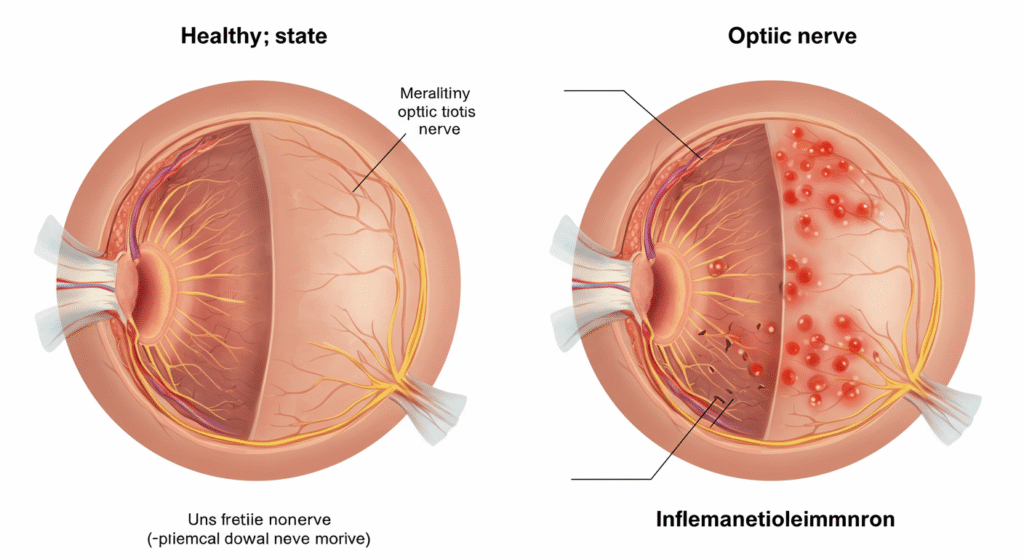
Inflammation of the optic nerve can cause sudden vision loss, often accompanied by pain when moving the affected eye. This condition is sometimes linked to multiple sclerosis, especially in younger adults, but can affect older adults as well.
The vision loss from optic neuritis may:
- Develop over hours to days
- Affect central vision more than peripheral vision
- Cause colors to appear washed out
- Improve somewhat over weeks or months
Severe Eye Infections
Certain eye infections can progress rapidly and cause sudden vision changes. Endophthalmitis, an infection inside the eye, is particularly serious and can occur after eye surgery, injury, or from infections elsewhere in the body spreading to the eye.
When Sudden Blurry Vision Needs Emergency Care
Call 911 Immediately If You Have:
- Blurry vision in one eye suddenly plus signs of stroke (weakness, speech problems, severe headache)
- Complete loss of vision in one eye
- Severe eye pain with vision loss
- Vision loss after a head injury
- Sudden vision loss with nausea and vomiting
Go to the Emergency Room Right Away For:
- Sudden, significant vision reduction in one eye
- Flashing lights and new floaters with vision loss
- A curtain or shadow blocking your vision
- Vision loss that’s getting progressively worse
- Any sudden vision change that concerns you
Remember, it’s always better to seek care and have it turn out to be minor than to wait and risk permanent vision loss.
What to Do While Waiting for Medical Care
Immediate Steps to Take
When you notice blurry vision in one eye suddenly, take these steps while arranging for medical care:
Stay Calm: Anxiety can worsen the situation. Take deep breaths and focus on getting help quickly.
Don’t Drive: Never attempt to drive with sudden vision loss. Call family, friends, or emergency services for transportation.
Protect Your Eyes: Don’t rub or press on your eyes, as this could worsen certain conditions.
Note the Time: Remember when the vision loss started, as this information helps doctors determine the best treatment approach.
Gather Important Information
Before going to the hospital, gather:
- List of current medications
- Medical history, especially previous eye problems
- Insurance cards and identification
- Emergency contact information
Having this information readily available can speed up your care.
Less Urgent But Still Important Causes
Migraine with Visual Aura
Some people experience visual disturbances before or during migraines, which can include blurry vision in one eye suddenly. However, migraine-related vision changes typically:
- Last 15-30 minutes
- Include zigzag patterns or flashing lights
- Are followed by headache
- Have happened before in similar patterns
Even if you suspect migraine, sudden new vision changes should be evaluated promptly.
Medication Side Effects
Certain medications can cause sudden vision changes, including:
- Blood thinners
- Erectile dysfunction medications
- Some antibiotics
- Heart medications
If you recently started a new medication and experience vision changes, contact your doctor immediately.
Blood Sugar Fluctuations
In people with diabetes, sudden changes in blood sugar can affect vision. Very high or very low blood sugar levels can cause temporary blurry vision, though this usually affects both eyes.
Check your blood sugar if you have diabetes and experience sudden vision changes, but still seek medical care even if your levels are normal.
Preventing Sudden Vision Loss
Managing Risk Factors
While you can’t prevent all causes of sudden vision loss, managing health conditions reduces your risk:
Control Blood Pressure: High blood pressure increases the risk of stroke and eye blood vessel problems. Take medications as prescribed and monitor regularly.
Manage Diabetes: Keep blood sugar levels stable through diet, exercise, and medication. Have regular eye exams to catch problems early.
Heart Health: Conditions like atrial fibrillation increase stroke risk. Follow your cardiologist’s recommendations for heart health.
Cholesterol Control: High cholesterol can contribute to blood vessel blockages in the eye and brain.
Regular Eye Care
Even if you don’t wear glasses, regular eye exams become increasingly important after age 50. Your eye doctor can:
- Detect early signs of conditions that might cause sudden vision loss
- Monitor changes in eye pressure
- Check the health of your blood vessels
- Recommend preventive treatments when appropriate
Recovery and Long-Term Outlook
What to Expect After Treatment
Recovery from blurry vision in one eye suddenly depends on the underlying cause and how quickly treatment was received. Some conditions, like certain types of optic neuritis, may improve significantly over time. Others, like severe retinal detachment or stroke, may result in permanent vision changes.
Your medical team will work with you to:
- Maximize recovery of any remaining vision
- Adapt to vision changes if necessary
- Prevent future episodes
- Coordinate care between different specialists
Adapting to Vision Changes
If sudden vision loss results in permanent changes, many resources can help you adapt:
- Low vision rehabilitation services
- Adaptive equipment for daily activities
- Support groups for people with vision loss
- Occupational therapy to maintain independence
The Importance of Quick Action
Blurry vision in one eye suddenly is never something to “wait and see” about, especially as we age. The conditions that cause sudden vision loss often have narrow treatment windows – sometimes just hours – during which effective treatment is possible.
Your vision is irreplaceable, and the potential causes of sudden vision loss can be life-threatening. Trust your instincts, seek immediate medical care, and don’t worry about “overreacting.” Medical professionals would much rather see you quickly for a minor issue than too late for a serious one.
Remember that preserving your vision often depends on quick action. When in doubt, err on the side of caution and seek emergency medical care. Your future sight may depend on the decisions you make in those first crucial hours.
Frequently Asked Questions
How quickly should I seek help for sudden blurry vision in one eye?
Seek emergency medical care immediately. Don’t wait more than a few hours, as many serious causes have very limited treatment windows for preventing permanent damage.
Could sudden blurry vision be just eye strain or fatigue?
Eye strain typically affects both eyes and develops gradually. Sudden, significant blurry vision in one eye is more likely to indicate a serious medical condition requiring prompt evaluation.
Should I go to urgent care or the emergency room?
For sudden vision loss in one eye, go directly to the emergency room. Urgent care centers typically don’t have the specialized equipment or specialists needed to diagnose and treat serious eye emergencies.
Can high blood pressure cause sudden vision loss?
Yes, severely high blood pressure can cause sudden vision problems by damaging blood vessels in the eye or brain. This is another reason why sudden vision changes require immediate medical attention.
Will my vision return to normal after sudden blurry vision?
Recovery depends on the cause and how quickly treatment is received. Some conditions may improve significantly, while others can result in permanent vision changes. Early treatment generally leads to better outcomes.
Did you like these tips? Then you’ll love our next content:
Also read: https://radianthealthpath.online/gray-spots-vision-after-waking-up-what-it-could-be-when-worry/
👆Experiencing gray spots in vision after waking up? Learn the common causes, warning signs, and when to see a doctor. Get expert insights on morning vision changes.
1 thought on “Blurry Vision in One Eye Suddenly: Causes and When to Seek Emergency Care”